Proven Techniques to Streamline Complicated Mathematics Topics for Better Understanding
Intricate mathematics topics typically existing substantial difficulties for students. Several tried and tested approaches can help with comprehension. These techniques consist of the use of aesthetic help, damaging down issues, and linking ideas to real-world circumstances. Each technique serves to enhance understanding and retention. The performance of these strategies increases important inquiries concerning their implementation in academic setups and their impact on trainee interaction. What specific strategies could be most valuable in technique?
Recognize the Foundations
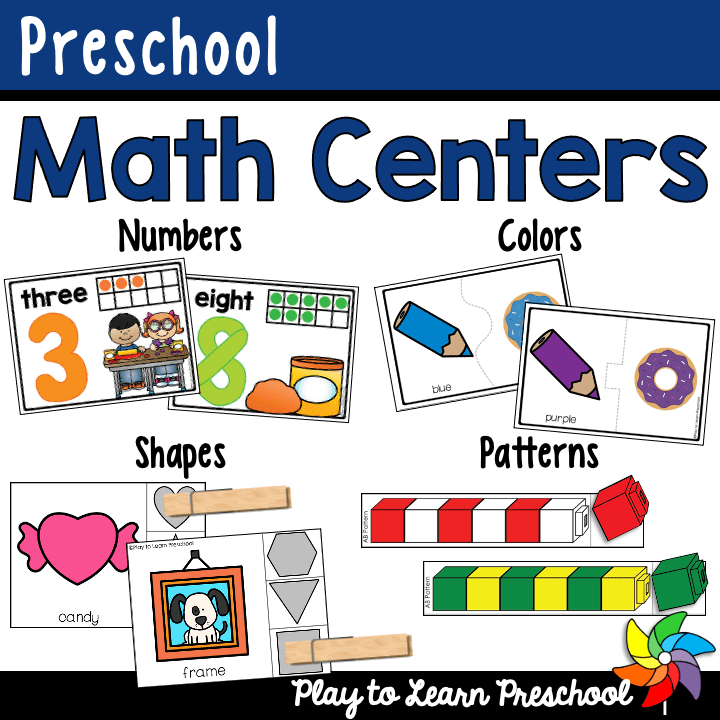
A focus on foundational understanding urges crucial thinking and problem-solving skills. When trainees identify the connections in between various ideas, they can approach challenging issues with confidence. This tactical emphasis not only boosts retention yet also promotes a mindset geared in the direction of exploration and inquiry. Ultimately, focusing on foundational understanding gears up students with the devices essential to navigate the complexities of maths, leading the way for success in both scholastic and real-world applications.
Use Visual Aids and Diagrams
Aesthetic help and layouts act as powerful devices in simplifying complicated mathematical subjects. They promote understanding by providing graphes of abstract ideas, making them a lot more substantial. As an example, charts can show features' behavior, while geometric layouts can clarify spatial relationships in issues entailing forms and angles.
Furthermore, flowcharts and idea maps can damage down elaborate processes, leading learners via multi-step services aesthetically. This approach not just enhances understanding but also engages various understanding styles, specifically visual learners who might fight with verbal descriptions alone.
Using colors and labels in layouts can better enhance clarity, drawing attention to vital aspects and connections within the trouble. Eventually, incorporating visual help into mathematical instruction permits for an extra vibrant and interactive knowing experience, promoting deeper understanding and retention of complicated topics. By leveraging these sources, instructors can effectively link the void in between theory and functional application.
Break Down Troubles Into Smaller Steps
Breaking down issues right into smaller, convenient steps can greatly boost understanding in maths. This approach allows students to concentrate on one part of a trouble at once, decreasing feelings of bewilder and confusion. By separating each step, students can create a more clear understanding of the underlying concepts and methods needed to reach a service.
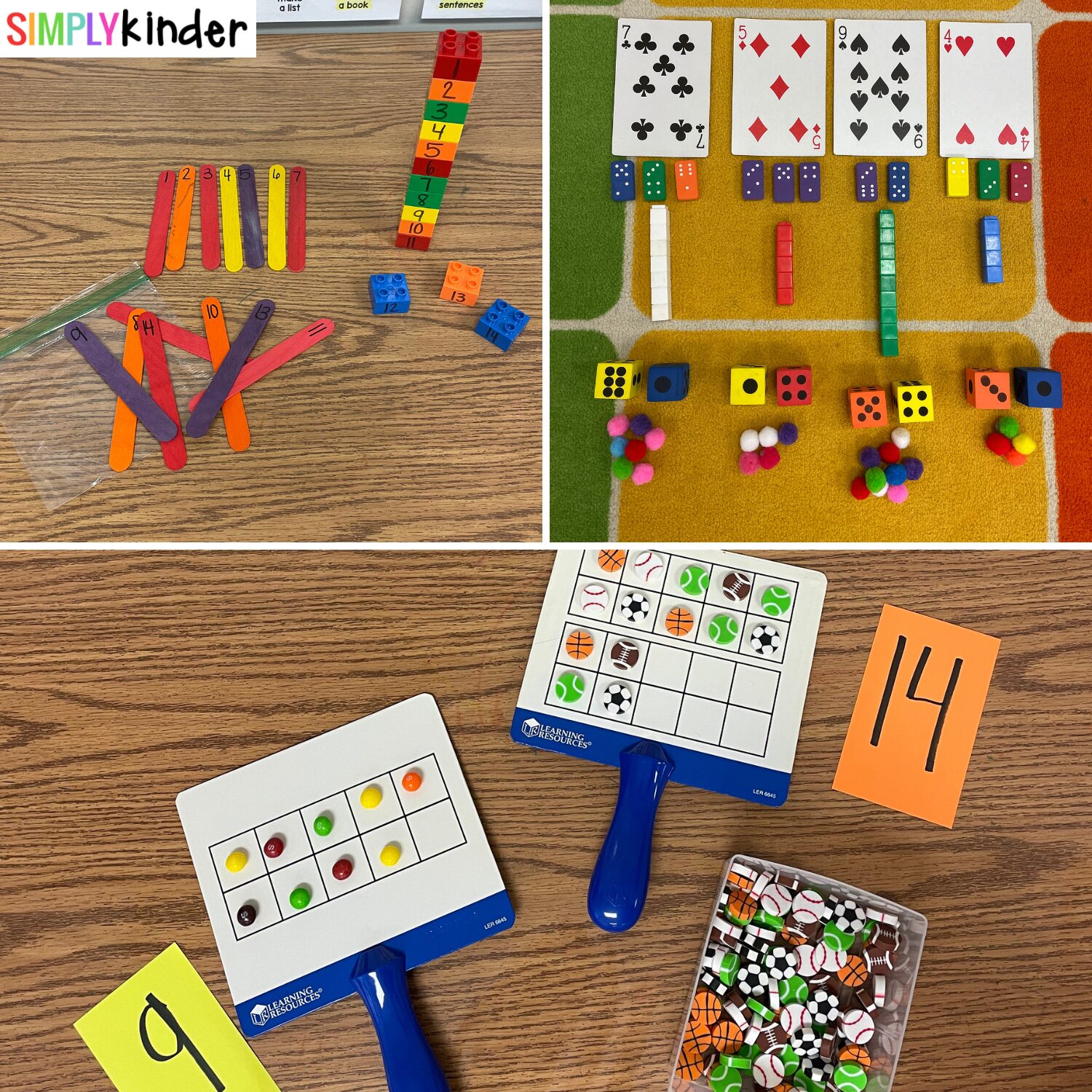
Moreover, this technique motivates essential thinking, as students are motivated to assess each action's significance to the total trouble. Inevitably, damaging down problems fosters a more methodical strategy to mathematics, promoting a deeper understanding and retention of material. By mastering smaller actions, pupils construct confidence and skill that add to their success in extra complicated mathematical obstacles.
Integrate Real-World Examples
Incorporating real-world instances into math direction can considerably improve trainee involvement and comprehension. They commonly locate the material a lot more relatable and much easier to realize when trainees attach mathematical ideas to daily life. For instance, making use of budgeting situations to show enhancement and reduction aids trainees recognize the sensible applications of these operations. In a similar way, utilizing sporting activities statistics can successfully demonstrate principles in probability and averages, making the discovering experience extra satisfying and relevant.
Educators can also incorporate real-life information, such as population development or environmental statistics, to illustrate graphs and features. This approach not only clarifies abstract ideas yet also promotes essential thinking as students evaluate and interpret actual data. struggles in primary math. By connecting the space in between theory and practice, trainees are more probable to appreciate the worth of mathematics in their every day lives, bring about enhanced retention and application of mathematical principles
Urge Collaborative Discovering
Joint discovering works as a powerful tool in simplifying intricate math concepts. By taking part in team issue resolving, students can share diverse point of views and techniques, boosting their understanding. Additionally, peer mentor techniques and interactive research study sessions promote a helpful atmosphere, permitting learners to comprehend tough material extra effectively.
Team Issue Solving
Team problem resolving cultivates a setting where trainees can proactively involve with complicated math ideas with synergy. By interacting, pupils can share diverse perspectives and strategies, enhancing their understanding of mathematical principles. Collective initiatives urge discussion, permitting individuals to articulate their reasoning and clear up misconceptions. This communication advertises vital reasoning and deeper understanding of difficult subjects. Furthermore, team problem addressing can lower anxiousness related to difficult math troubles, as students support each other in overcoming obstacles. Educators can assist in these sessions by designating different functions within groups, ensuring each student contributes and learns from check my source the procedure. Inevitably, this collaborative strategy not only improves understanding but also constructs vital interaction and teamwork skills important for future academic and specialist ventures.
Peer Mentor Techniques
Building on the benefits of group problem addressing, peer training techniques become a powerful technique to further boost collaborative learning. These methods entail pupils describing principles to each other, which reinforces their understanding and constructs confidence. When learners handle the role of teacher, they articulate their thought processes and clarify their own false impressions. This mutual exchange promotes a supportive atmosphere where students feel extra comfortable looking for and asking questions aid. In addition, peer teaching encourages interaction, as pupils typically connect far better to their peers than to typical instruction. By integrating these approaches into the discovering procedure, see here instructors can produce a vibrant class atmosphere that advertises deeper comprehension and retention of complex mathematical subjects.
Interactive Study Sessions
Interactive research study sessions can greatly enhance the knowing experience by promoting an environment where students actively engage with each other. These joint settings encourage individuals to share varied viewpoints, thereby strengthening their understanding of complicated math topics. Pupils can damage down elaborate ideas right into convenient components, facilitating more clear comprehension. Through seminar, pupils can clear up questions and strengthen their expertise by showing peers, which strengthens their grasp of the product. Furthermore, interactive sessions promote inspiration and accountability, as trainees really feel more dedicated to their researches when working along with others. Integrating tools such as analytic games or collective systems can better improve these sessions, making finding out both delightful and reliable. Generally, interactive research sessions act as an effective approach for improving mathematical comprehension.
Make Use Of Innovation and Online Resources
As pupils browse via complicated math subjects, leveraging innovation and on-line sources can significantly enhance their understanding. Educational systems such as Khan Academy and Coursera provide video clip tutorials that break down intricate ideas into absorbable segments. These sources commonly incorporate interactive elements, enabling trainees to practice troubles in genuine time, obtain instant responses, and track their development.
Additionally, math-specific apps like Photomath and Desmos give devices to envision formulas and charts, cultivating a deeper conceptual understanding. Online forums, such as Heap Exchange, allow pupils to posture inquiries and engage with an area of learners and professionals, even more clearing up challenging topics.
Practice Routinely and Evaluation Regularly
Constant technique and normal testimonial are important for mastering complex math topics. Engaging with mathematical ideas every day enhances understanding and assists to identify areas that require additional focus. By fixing troubles consistently, learners can grow their grasp of procedures and theories, making them force of habit gradually.
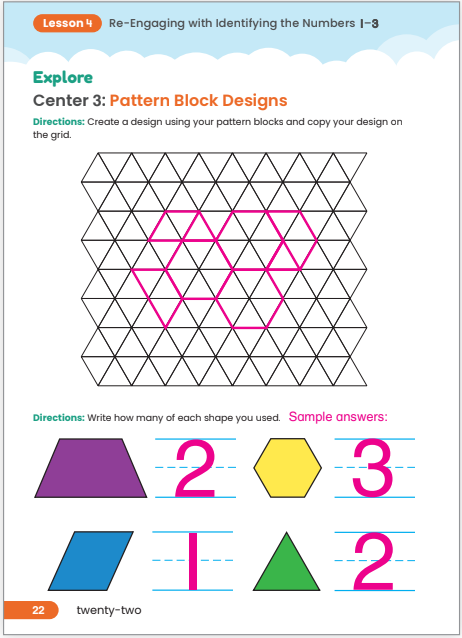
Additionally, setting specific objectives for both technique and evaluation can boost emphasis and inspiration. Allocating time each week for targeted workouts and assessments can generate significant advantages. Ultimately, routine method and regular evaluation form the foundation of effective mathematics education and learning, equipping students with the self-confidence and abilities needed to take on increasingly complex topics.
Often Asked Questions
Just How Can I Remain Motivated While Knowing Intricate Mathematics Topics?
Remaining inspired while discovering complex math subjects entails establishing achievable goals, celebrating tiny successes, looking for assistance from peers, utilizing varied sources, and preserving a positive attitude to accept difficulties as opportunities for development and understanding.
What Prevail Mistakes to Stay Clear Of in Mathematics Comprehension?
Typical errors in math comprehension consist of disregarding fundamental concepts, rushing via troubles, failing to exercise consistently, and misconception terms. Furthermore, over-reliance on memorization rather than grasping underlying go now concepts can prevent real understanding and application.
How Do I Analyze My Understanding of Math Concepts?
To analyze understanding of math principles, one should on a regular basis exercise problems, seek comments, participate in discussions, and utilize self-quizzes. struggles in primary math. Reviewing errors and teaching ideas to others can additionally boost comprehension and retention of product
What Should I Do if I Really Feel Overloaded by Math?
When feeling bewildered by mathematics, one must take breaks, method mindfulness, and break troubles into smaller sized parts. Seeking aid from instructors or peers can likewise provide clearness and minimize stress and anxiety associated with tough ideas.
Exactly How Can I Locate a Mathematics Tutor or Research Group?
To discover a math tutor or study hall, one can look online systems, neighborhood area boards, or universities. Networking with peers and seeking referrals can also bring about reliable coaching options and research study partnerships.
When trainees acknowledge the relationships between various concepts, they can approach tough troubles with confidence. Group trouble addressing fosters a setting where trainees can actively involve with intricate mathematics ideas with teamwork. Additionally, team trouble solving can minimize stress and anxiety associated with tough mathematics issues, as students sustain each other in conquering barriers. These techniques include trainees clarifying concepts to one an additional, which reinforces their understanding and builds self-confidence. Pupils can break down detailed concepts into convenient parts, facilitating more clear understanding.
Comments on “The teacher’s role in recognizing and addressing struggles in primary math”